
Chatfield, MN
Our Farm. Your Table.
South Eastern Minnesota’s Finest Beef & Pork
Birksgire pig crossed with red waddle. The pigs have been fed certified organic grass-fed A2A2 milk, walnuts, sorghum, oats peas corn.
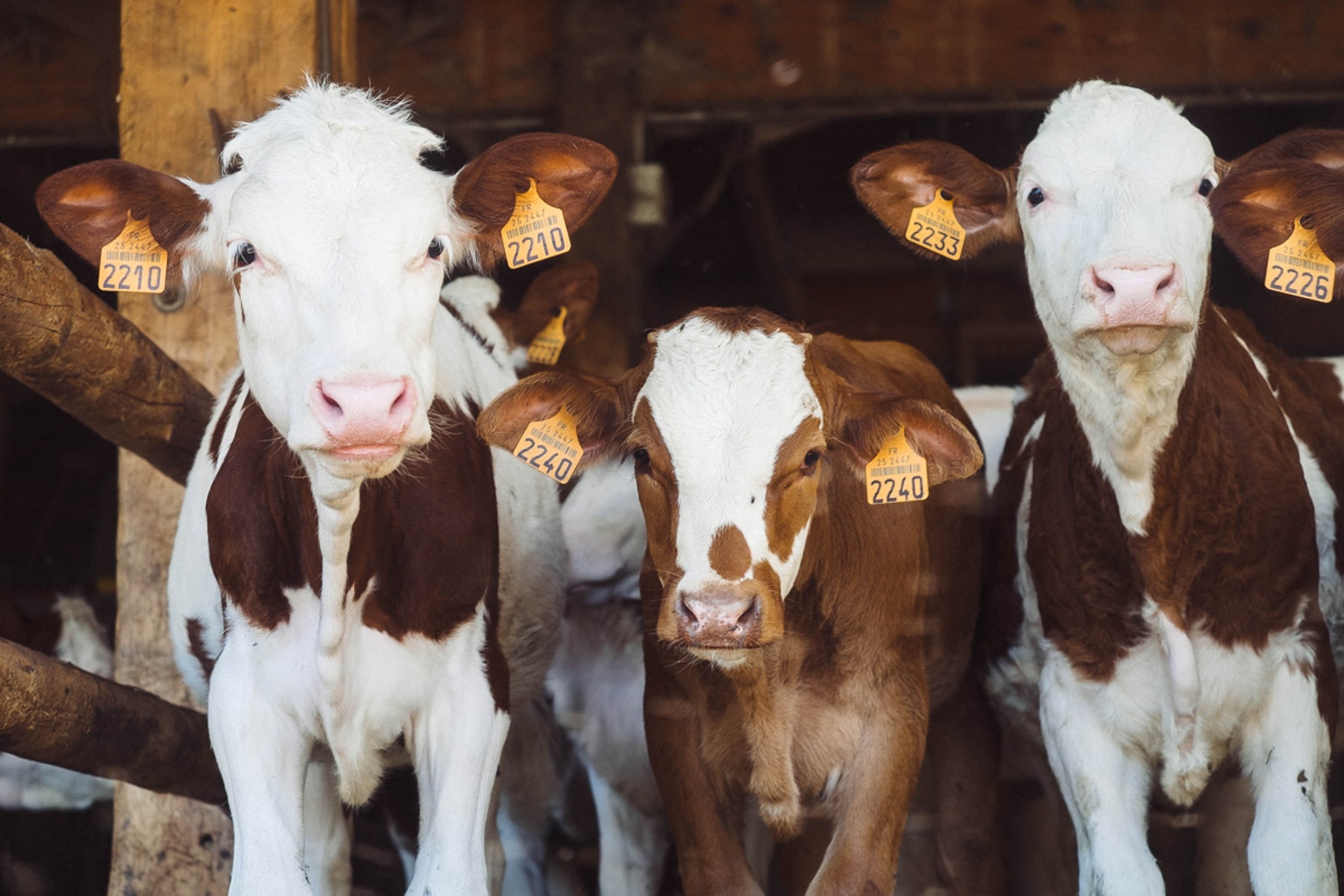
The beef is truly certified Organic Grass fed-beef. The steers eat a wild variety of salad bar every day in the spring, summer and fall. In the winter they eat a Total mix ration of oats and peas befor they fully mature. They also eat sorghum, and high quality alfalfa hay.
Our History

Our Products
Get in Touch
Family Owned & Operated
Located just south of Rochester 15 minutes in Chatfield Minnesota. My father started the farm and was a conventional farmer until 1978. The farm became Certified Organic in 2008 Organic Grass-Fed Certification for dairy and beef. Jakes Organic Farm is a farm-to-table business. My father has practiced regenerative farming principles without ever tilling the land. All of our cows are bred to an A2A2 polled bull (Having no horns). The bull that breeds the cows is a cross between Swedish red, black Angus, and red Angus.
Explore Our Selection
Our Practices
 The farm has been certified organic since 2008. Jakes Organic Farm recently just received Organic Grass-Fed Certification for dairy and beef. We just added pork this year. We have the (Wayguu) of pork (Berkshire). We practice regenerative farming principles (Regenerative agriculture describes holistic farming systems that, among other benefits, improve water and air quality, enhance ecosystem biodiversity, produce nutrient-dense food, and store carbon to help mitigate the effects of climate change.
These farm systems are designed to work in harmony with nature, while also maintaining and improving economic viability) without ever tilling the land.
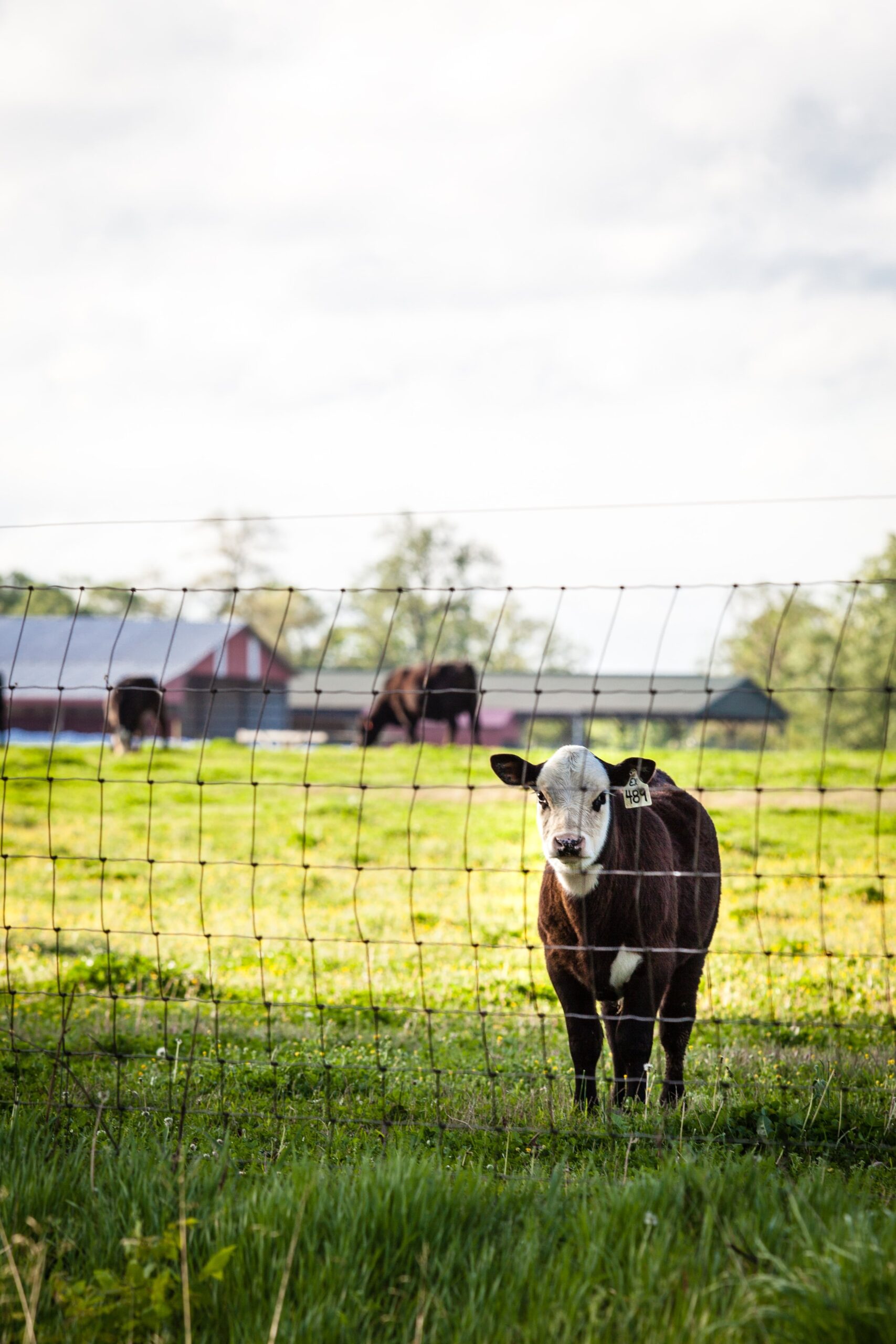
All of our cows are bred to an A2A2 polled bull-crossed Swedish red, black angus, and red angus. (Having no horns). We practice regenerative farming with intensive rotational grazing. Cows get moved every 12 hours to fresh grass.
Minimize the physical, biological, and chemical disturbance of the soil.
For example, regenerative farmers often minimize tilling their land or forgo tilling altogether. They also seek to eliminate the use of toxic chemicals, pesticides, herbicides, insecticides, and petroleum-based fertilizers.
Keep the soil covered with vegetation or natural material.
Instead of tilling the land, regenerative practices include mulching, planting cover crops (crops that are not sold but provide other benefits, such as soil improvement, water retention, weed suppression, and erosion prevention), and keeping the land as permanent pasture.
Increase plant diversity.
Diversity helps build healthy soils to better trap water and nutrients, can provide other sources of revenue for the farm, and can benefit pollinators and wildlife. Regenerative farms may vary crop rotations, plant multiple species of cover crops together, grow diverse forage in pastures, and maintain permanent vegetation (conservation cover) in some areas of the farm.
Keep living roots in the soil as much as possible.
Roots stabilize the soil and continually cycle water and nutrients so these valuable resources don’t wash away. Regenerative farms can do this by planting cover crop seeds in the same fields as their primary crops, prior to harvest, to ensure the fields are never bare (a technique called overseeding); planting their primary crops directly into fields where cover crops are already growing (called planting “green” into cover crops); or converting cropland to pastures.
Integrate animals into the farm as much as possible.
Livestock manure can add valuable nutrients to the soil, reducing the need for fertilizers, and permanent pastures can trap large amounts of carbon and water, reducing farm emissions and polluted runoff. Practices include rotational grazing—moving livestock frequently between grass pastures to allow plants time to regenerate—or grazing cover crops.